If you’ve been assigned to see Ian Cheok for your occupational therapy, this page explains how Lifeworks OT and Otivity work together — and what it means for your care. Short answer: nothing changes on your end.
Ian Cheok is an independent occupational therapist who practises through Lifeworks OT. Otivity is the name of Ian’s clinical approach and professional identity. Here’s how they fit together:
Lifeworks OT handles your appointments, billing, Medicare, NDIS claims, and all administrative matters.

Ian Cheok from Otivity is the occupational therapist you’ll see. He brings his distinctive clinical approach to your sessions.
Your appointment, location, and all billing stays exactly the same. Otivity is simply the clinical identity of the OT you’re seeing.
There’s nothing extra you need to do. All of the following continue to be managed by Lifeworks OT:
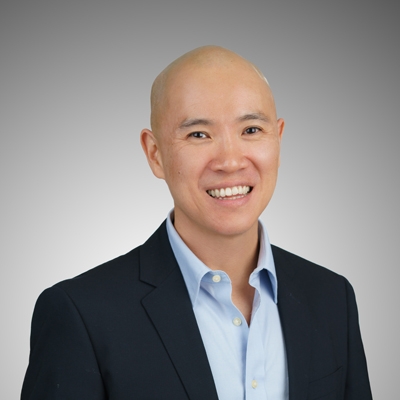
Ian is an AHPRA-registered occupational therapist with a clinical focus in complex pain management, neurorehabilitation, and functional assessments. He holds a Mental Health Endorsement from OTA, allowing him to integrate psychological strategies directly into physical rehabilitation.
Ian brings a background in both Occupational Therapy (Curtin University) and Computer Science (UWA), which informs his use of Assistive Intelligence — smart technology that supports your recovery.
Otivity is the name of Ian’s clinical practice and methodology. It represents his clinical approach to helping people bridge the gap between clinical capacity and real-world capability. Learn more about the Otivity approach →
Your first session is about understanding your situation thoroughly. Here’s what to expect.
Your initial assessment is thorough. We take the time to understand not just your condition, but your daily life, goals, and what’s been tried before. This isn’t a rushed 15-minute consult.
Any referral letters, recent scans or imaging reports, medication lists, and previous therapy summaries. If you have an NDIS plan, bring your plan details. Don’t worry if you don’t have everything — we’ll work with what you have.
We’ll talk about what matters to you — what you want to get back to doing, what’s been hardest, and where you feel stuck. There’s no right or wrong answers. Your experience and goals guide the direction of your care.
By the end of your first session, you’ll have a clear picture of what we’ve identified, what your options are, and what the next steps look like. No ambiguity, no open-ended “let’s see how it goes.”
Depending on your referral, we may observe movement patterns or do some gentle functional tasks. Wear something you can move comfortably in. We’ll always explain what we’re doing and why before we ask you to do anything.
Otivity is the professional identity and clinical approach of Ian Cheok, your occupational therapist. Ian practises as an independent OT through Lifeworks OT. Think of Lifeworks OT as the practice, and Otivity as Ian’s clinical methodology within it. Your booking, billing, and everything administrative stays with Lifeworks OT.
Yes, absolutely. All billing, Medicare claims, NDIS claims, insurance, and WorkCover processing are handled entirely by Lifeworks OT. Nothing changes on your end. You don’t need to do anything differently.
No. For all bookings, rescheduling, billing queries, or referrals, continue to contact Lifeworks OT directly. If you have clinical questions for Ian, he’s happy to be reached via ian@otivity.com.au, but all administrative matters go through Lifeworks OT.
Otivity is a clinical approach that focuses on bridging the gap between clinical recovery and real-world function. It means Ian brings evidence-informed practice in areas like persistent pain management, neurological conditions, functional assessments, and assistive technology. You can learn more about the approach here.
If you have any questions before your appointment, don’t hesitate to reach out. I’m here to help you find a way forward.